
Server hard drives for enterprise storage expansion
Server hard drives are used to expand storage capacity in enterprise servers, rack servers, storage systems and backup solutions. When selecting the right HDD, important factors include capacity, interface type, physical form factor, spindle speed, data transfer rate and compatibility with the target server platform.
SAS and SATA server HDDs are designed for different use cases: SATA drives are typically suited to higher-capacity storage and backup tasks, while SAS hard drives are often the better choice for continuously operating server and RAID environments.
Interbolt.eu offers SFF and LFF server hard drives, OEM part-numbered SAS / SATA HDDs and storage solutions in various capacities for Dell PowerEdge, HPE ProLiant, Lenovo ThinkSystem, IBM System x and Fujitsu PRIMERGY servers.


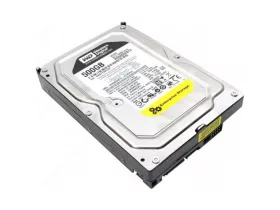
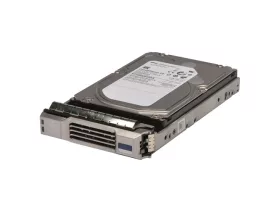
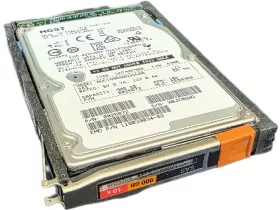
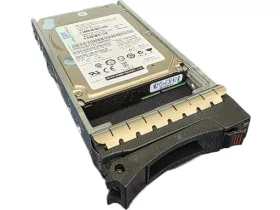
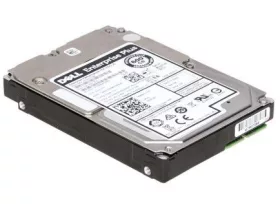
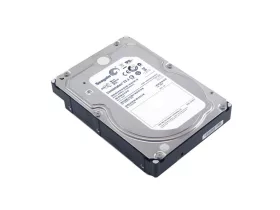

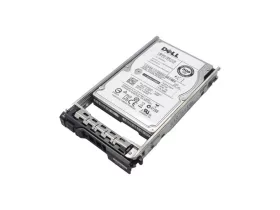
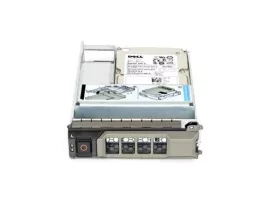
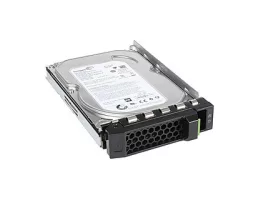
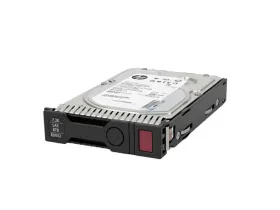
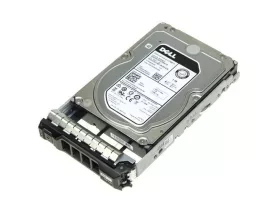
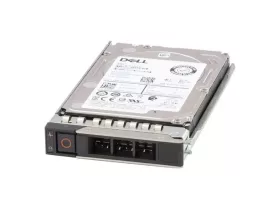
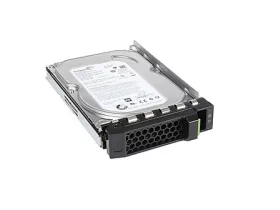
Server HDD selection criteria
When choosing the right server hard drive, capacity alone is not enough. It is important to check the interface type, physical form factor, spindle speed, sector format, RAID controller compatibility, and the server or storage environment in which the drive will be used. In Dell PowerEdge, HPE ProLiant, Lenovo ThinkSystem, IBM System x or Fujitsu PRIMERGY systems, the compatible caddy / tray, hot-swap design and matching OEM part number may be just as important as the HDD itself.
SATA or SAS HDD?
SATA hard drives are primarily used as higher-capacity, cost-effective storage solutions for file servers, archiving, backup tasks or environments with lower I/O load. They can be a suitable choice where capacity and price-performance ratio are more important than high transactional workload or low latency.
SAS hard drives are generally the better fit for server and storage environments requiring continuous operation, RAID arrays and higher workload levels. The main advantages of SAS drives are enterprise-oriented operation, more stable controller-side support and better compatibility with PERC, Smart Array, MegaRAID or other enterprise RAID / HBA controllers.
2.5" SFF or 3.5" LFF form factor?
3.5" LFF HDDs are generally preferred for larger-capacity storage, backup systems and file server workloads. 2.5" SFF drives allow a more flexible layout in servers with a higher number of drive bays due to their smaller physical size, and they are often used in higher-density SAS or SSD-based configurations.
Spindle speed and performance
7.2K HDDs are mainly suitable for capacity-oriented use, larger data storage and backup purposes. 10K and 15K SAS hard drives offer lower latency and better random I/O performance, making them a reasonable choice for older virtualisation environments, databases or higher-load business systems. Where I/O performance is the primary requirement, enterprise SSD or NVMe storage is often the more appropriate option.
RAID, sector format and compatibility
When expanding a RAID array or replacing a failed drive, matching the capacity, interface, spindle speed and sector format is especially important. Mixing 512n, 512e and 4Kn drives may cause compatibility issues with certain RAID controllers, operating systems or storage systems. Before replacement, it is advisable to check the exact drive model, firmware environment, RAID controller support and the server manufacturer's compatibility list.
Interbolt.eu offers SAS and SATA hard drives suitable for server use, OEM part-numbered HDDs and storage solutions in various capacities. When selecting the right server HDD, capacity should be evaluated together with compatibility, backplane layout, RAID / HBA controller support, sector format, physical form factor and the intended operating environment.


