
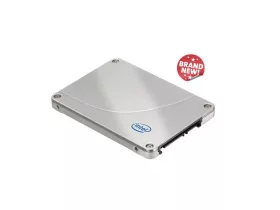
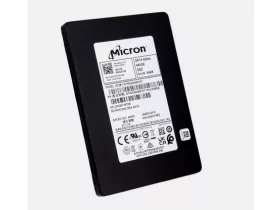
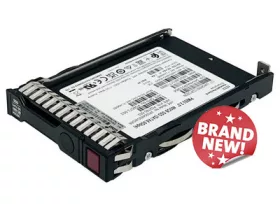
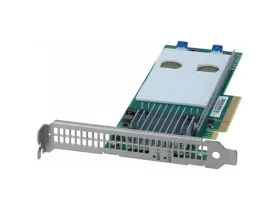



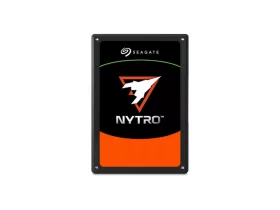
Seagate Nytro 3350 960GB Enterprise 12Gbps SAS SSD TLC Solid State Drive 2.5" SFF XS960SE70075 (New)
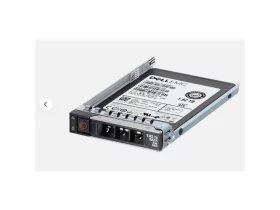
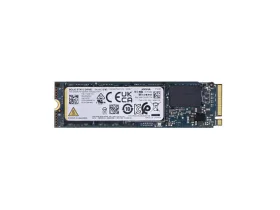
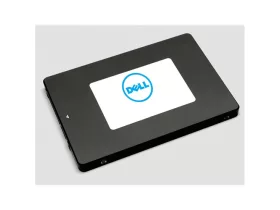
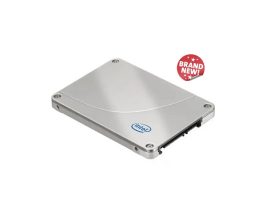
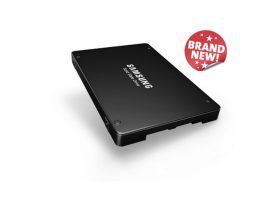


Server SSD drives and Enterprise SSDs for business systems
Server SSD drives and Enterprise SSDs play an important role in business environments where fast data access, stable operation, predictable performance and server compatibility are all essential. In the Interbolt.eu product range, tested SSD drives are available for Dell PowerEdge, HPE ProLiant, Lenovo ThinkSystem, Fujitsu PRIMERGY and OEM servers, in various capacities and interfaces.
SATA SSDs are a cost-effective solution for general server workloads, system drives, file servers or smaller business applications. 12Gbps SAS SSDs are well suited for stronger enterprise environments where reliable controller connectivity, stable I/O performance and RAID controller compatibility are important. NVMe SSD and U.2 NVMe SSD drives are a strong choice for high-IOPS systems, low-latency data processing, virtualization, database servers and modern business infrastructure.
Read Intensive drives are mainly suited for read-heavy systems, Mixed Use SSDs for mixed database, virtualization and application server workloads, while Write Intensive SSDs are designed for tasks with higher write demands. DWPD and TBW values, firmware, controller compatibility, hot-swap design and the 2.5" SFF form factor can all be important factors when expanding an existing server configuration.
The category includes SSDs in various capacities, including 480GB, 960GB, 1.92TB, 3.84TB and 7.68TB. These drives can be used effectively in VMware, Hyper-V or Proxmox virtualization environments, SQL database servers, file servers, backup systems, business application servers and enterprise infrastructures with higher data traffic.
The Interbolt.eu range includes general PC and client SSD drives, as well as tested Enterprise SSDs designed for servers and data center environments. This makes it possible to choose an SSD solution that fits the intended use, whether for a system drive, expanding an existing server, replacing storage or supporting higher-load business workloads.


